Trying to choose between a condo and a single-family home on Longboat Key? It is a smart question, especially on an island where lifestyle, upkeep, storm planning, and long-term costs all matter as much as square footage. If you are weighing a second home, a full-time move, or a waterfront retreat, this guide will help you compare both options with more confidence. Let’s dive in.
Why this choice matters on Longboat Key
Longboat Key is not a typical housing market. The town spans about 10 miles across a barrier island, with the northern half in Manatee County and the southern half in Sarasota County. It is also heavily shaped by second-home and seasonal ownership, with town data showing 57.1% seasonal occupancy and 42.9% year-round occupancy.
The housing mix also affects your options. According to the town’s comprehensive-plan data, 65.8% of the housing stock is multifamily, while 31.4% is single-family. In simple terms, condos make up most of the market, so your search will likely include more condo inventory than detached homes.
That balance can shape both price and lifestyle. A current market snapshot cited in the research report shows a median sale price of about $1.1 million for all Longboat Key home types and a median condo listing price of about $899,000. Condos are often the lower entry point, but views, water access, finishes, and building age can move pricing much higher.
Condo living on Longboat Key
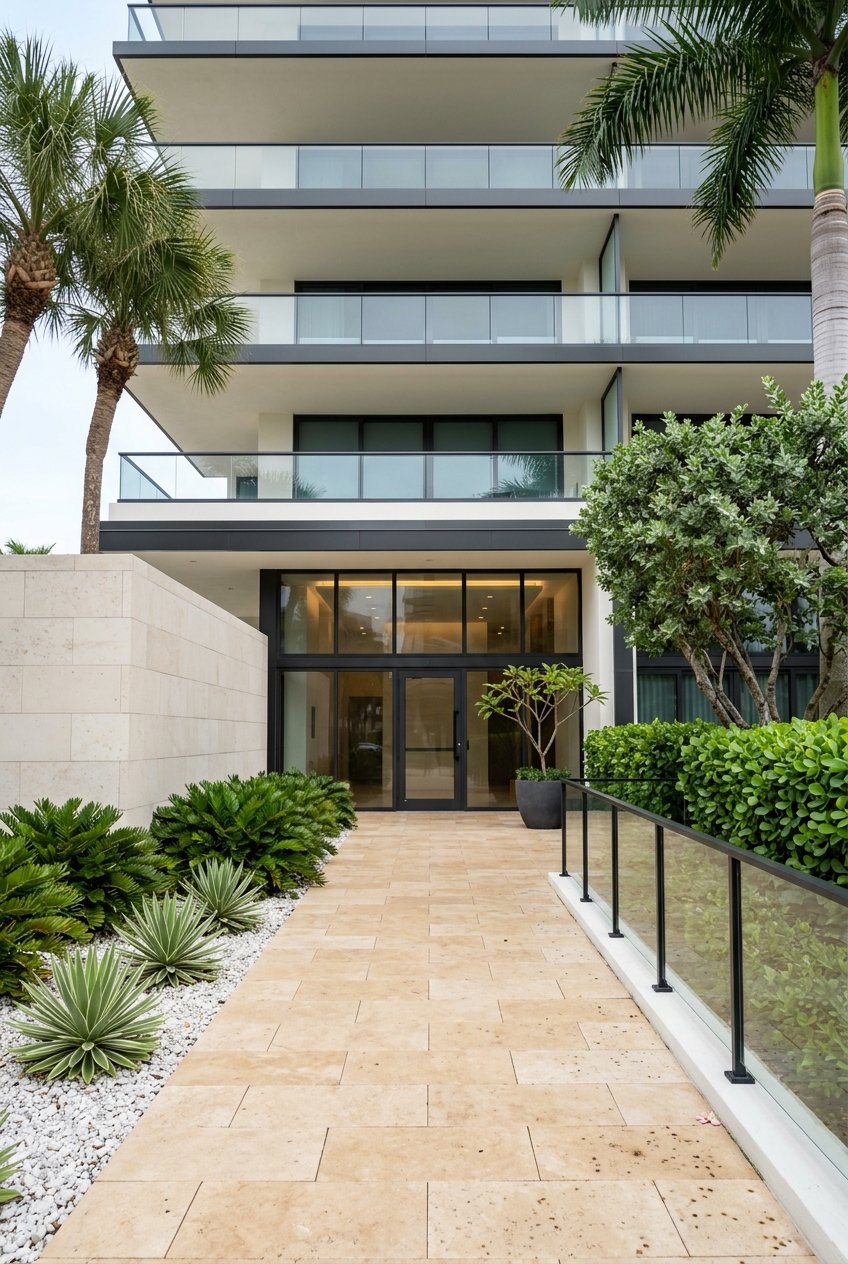
For many buyers, a condo fits the way they want to use a Longboat Key property. If you want a lock-and-leave home for seasonal stays or easier day-to-day ownership, a condo can simplify the experience. Shared amenities and reduced exterior maintenance are often the biggest draw.
That convenience comes from how condo ownership is structured in Florida. Common-element maintenance is handled by the association, and those costs are treated as common expenses. That usually means more of your ownership costs are shifted into association dues and reserve funding rather than direct exterior upkeep.
On Longboat Key, that setup can feel especially appealing because the island has a strong resort-style character. The town highlights beach access, fishing piers, recreation centers, public launch areas, tennis, and pickleball, and Bayfront Park adds an indoor recreation center, courts, a playground, and parking for public beach access. If you want a home base that feels easy to enjoy, a condo may line up well with that goal.
What condo buyers should watch closely
Condo ownership can be simpler in some ways, but it also requires more review before you buy. Florida law now requires milestone inspections for certain older or taller buildings with three or more stories, along with structural integrity reserve studies and reserve funding tied to those studies. For budgets adopted after December 31, 2024, some associations subject to these rules cannot vote to waive or underfund required reserves for covered items.
That matters on Longboat Key because much of the housing stock was built between 1970 and 1999. Older buildings are not automatically a problem, but they do make due diligence more important. Before you move forward on a condo, it is wise to review:
- The latest milestone inspection summary
- The structural integrity reserve study
- Current reserve funding levels
- Any pending special assessments
- Association budgets and recent board decisions
These items can affect both your monthly costs and your comfort level with the building’s planning.
Single-family living on Longboat Key
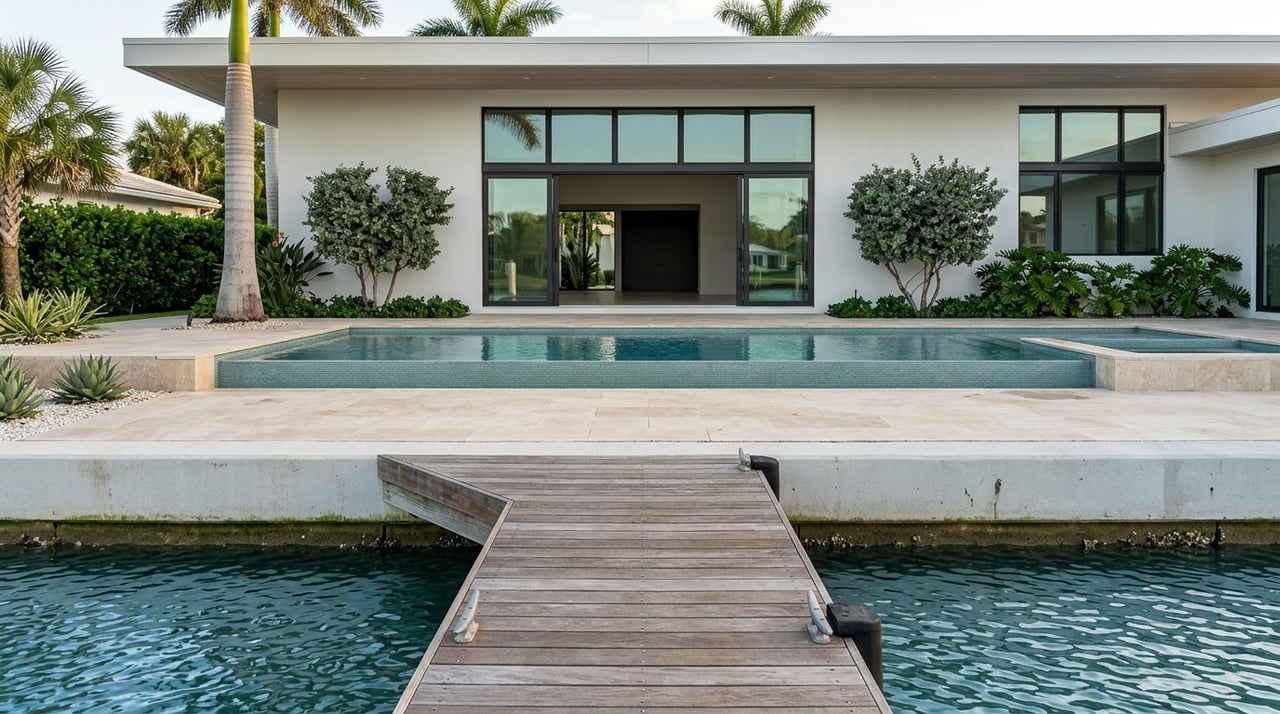
A single-family home often appeals to buyers who want more privacy and more control. If you picture your own yard, pool area, dock potential, or outdoor entertaining space, a detached home may be the stronger fit. You also usually have more direct say over site and exterior improvements than you would in a condo.
That added control comes with added responsibility. Exterior maintenance, storm preparation, and ongoing property care are more likely to fall directly on you. On an island setting like Longboat Key, that trade-off can be worth it for buyers who value space, separation, and customization.
Single-family homes can also make more sense for boating-focused buyers. The town’s recreation standards include two boat ramps and 10 non-motorized boat-launching areas, and the canal maintenance district manages a town-wide canal-maintenance plan. The town also notes that properties with direct canal or bay access may be subject to a non-ad valorem assessment, which reinforces that water-access homes can come with unique ownership considerations.
Do single-family homes always avoid association costs?
Not necessarily. A detached home can still be located in a managed community with an HOA. Florida’s HOA law allows annual budgets to include operating expenses and reserve accounts for capital expenditures and deferred maintenance that the association is responsible for.
So while a single-family home often gives you more control than a condo, it does not automatically mean zero shared costs or zero rules. The key difference is usually how much of the property is under your direct responsibility versus association governance.
How lifestyle priorities should guide you
The best choice often comes down to how you want to live on Longboat Key. Two buyers with the same budget can land on very different answers depending on what they value most.
If convenience is your top priority, a condo often wins. It can be easier to leave for part of the year, and it usually reduces the amount of exterior upkeep you need to coordinate personally. That can be especially attractive for second-home owners who want more time enjoying the island and less time managing maintenance.
If privacy is your priority, a single-family home often comes out ahead. Detached homes usually offer more separation from neighbors and more flexibility with outdoor spaces. On an island with limited land and an older housing stock, that extra privacy can be a major advantage for the right buyer.
A quick side-by-side comparison
| Priority | Condo | Single-Family Home |
|---|---|---|
| Exterior upkeep | Usually handled more collectively through the association | Usually handled more directly by the owner |
| Privacy | Typically less private than a detached home | Typically more private |
| Amenities | Often includes shared amenities | Varies by property or community |
| Outdoor customization | More limited | Usually greater flexibility |
| Boating potential | Varies, often limited by building or community setup | Often a better fit for direct water-access goals |
| Governance | More board oversight and shared decision-making | More owner control, though HOA rules may still apply |
Storm readiness matters either way
No matter which property type you prefer, barrier-island ownership requires planning. The town states that all residents are in a Level A evacuation zone. It also provides a flood-risk system that allows owners to look up flood zones and elevation certificates by address.
For many buyers, especially second-home buyers, this should be part of the decision from the start. A condo and a single-family home may involve different maintenance responsibilities, but both still sit within the same broader storm and flood context. That means your property search should include practical questions about elevation, flood zone information, building or site resilience, and ease of storm preparation.
Look beyond the purchase price
On Longboat Key, ownership costs can extend well past principal, interest, taxes, and insurance. Because the island is split between two counties, tax rates can differ depending on where the property sits. The town also publishes separate operating and debt mill rates, along with utility charges.
Current town-published utility charges in the research report include water base charges of $21.72, sewer base charges of $24.60, and garbage and recycling charges of $23.61 effective December 1, 2025. These are not huge numbers compared with home prices, but they are part of the true carrying cost and should be factored into your planning.
Special districts can also affect your budget. Longboat Key has two beach-erosion special districts with listed mill rates for FY2026, and the canal-maintenance district says a new assessment is planned for FY2027 after public hearings. If you are comparing homes, especially coastal or canal-front properties, ask for a full picture of all line-item costs rather than focusing only on the list price.
So, which one is right for you?
A condo is usually the better fit if you want convenience, shared amenities, and less direct exterior maintenance. It can be a strong match for seasonal owners, second-home buyers, and anyone who wants a more streamlined ownership experience on Longboat Key.
A single-family home is usually the better fit if you want privacy, more outdoor control, and a better chance of direct water access or custom site improvements. It often suits buyers who are comfortable taking on more hands-on ownership in exchange for flexibility and space.
On Longboat Key, the right answer is rarely just about house versus condo. It is about how much responsibility you want to carry yourself, how you plan to use the property, and which trade-offs best support your lifestyle. If you want a clear, property-by-property comparison, The Agency Sarasota can help you evaluate the options with local insight and elevated service.
FAQs
What is the main difference between a condo and single-family home on Longboat Key?
- A condo usually offers less direct exterior maintenance and more shared governance, while a single-family home usually offers more privacy, more control, and more hands-on ownership responsibility.
Are condos more common than single-family homes on Longboat Key?
- Yes. Town comprehensive-plan data show that 65.8% of the housing stock is multifamily, compared with 31.4% single-family.
Are condos usually less expensive than single-family homes on Longboat Key?
- Often, yes. The research report cites a median condo listing price of about $899,000 and a median sale price of about $1.1 million for all Longboat Key home types, though views, finishes, and water access can change pricing significantly.
What should condo buyers review before buying on Longboat Key?
- Buyers should closely review the latest milestone inspection summary, the structural integrity reserve study, reserve funding levels, pending special assessments, and association budgets.
Do all Longboat Key homes have storm and flood considerations?
- Yes. The town states that all residents are in a Level A evacuation zone, and buyers can look up flood-zone and elevation-certificate information by address through the town’s flood-risk system.
Can a single-family home on Longboat Key still have HOA fees?
- Yes. A detached home can still be located in a managed community where the HOA collects funds for operating expenses, capital expenditures, or deferred maintenance.