Thinking about buying a vacation rental on Siesta Key? It is easy to see the appeal. Between the beach, the Village, and the steady draw of Florida Gulf Coast travel, the island can look like a smart mix of lifestyle and income potential. But before you buy, you need to look past the postcard view and weigh zoning, taxes, insurance, property type, and your own goals so you can make a decision that truly fits. Let’s dive in.
Why Siesta Key Draws Rental Demand
Siesta Key has clear visitor appeal, and that matters if you are considering a vacation rental. Sarasota County highlights the island’s quartz-crystal sand, a large public beach parking area, a free trolley connecting riders to Siesta Key Village and downtown Sarasota, and easy access to restaurants and shops.
That appeal is reinforced by broad destination visibility. Visit Sarasota County notes that Siesta Key was ranked the Best Beach in the U.S. for 2026 by U.S. News & World Report, which helps explain why the island remains a high-interest spot for leisure travelers.
Tourism spending also supports the big-picture story. Sarasota County’s FY2025 tourism report shows $2.37 billion in direct visitor spending, with $786.9 million spent on accommodations, and about 70% of all visitor spending tied to paid accommodations.
Vacation travel remains the main driver. The same report says 64% of trips in FY2025 were for vacation, and visitors often plan online using internet search, social media, review platforms, and booking sites such as Vrbo and Airbnb.
Start With Your Ownership Goals
Before you compare listings, get clear on what you want the property to do for you. Some buyers want a second home they can rent part of the year. Others want a more investment-focused purchase with limited personal use.
That difference matters more than many buyers expect. A property that works well for occasional owner stays may not be the same property that works best for frequent guest turnover, easier maintenance, or stronger operational flexibility.
Your personal-use calendar should also line up with the legal rental setup and carrying costs. If you want prime-season access for yourself, you should think carefully about how that affects your booking window and overall income expectations.
Choose the Right Property Type
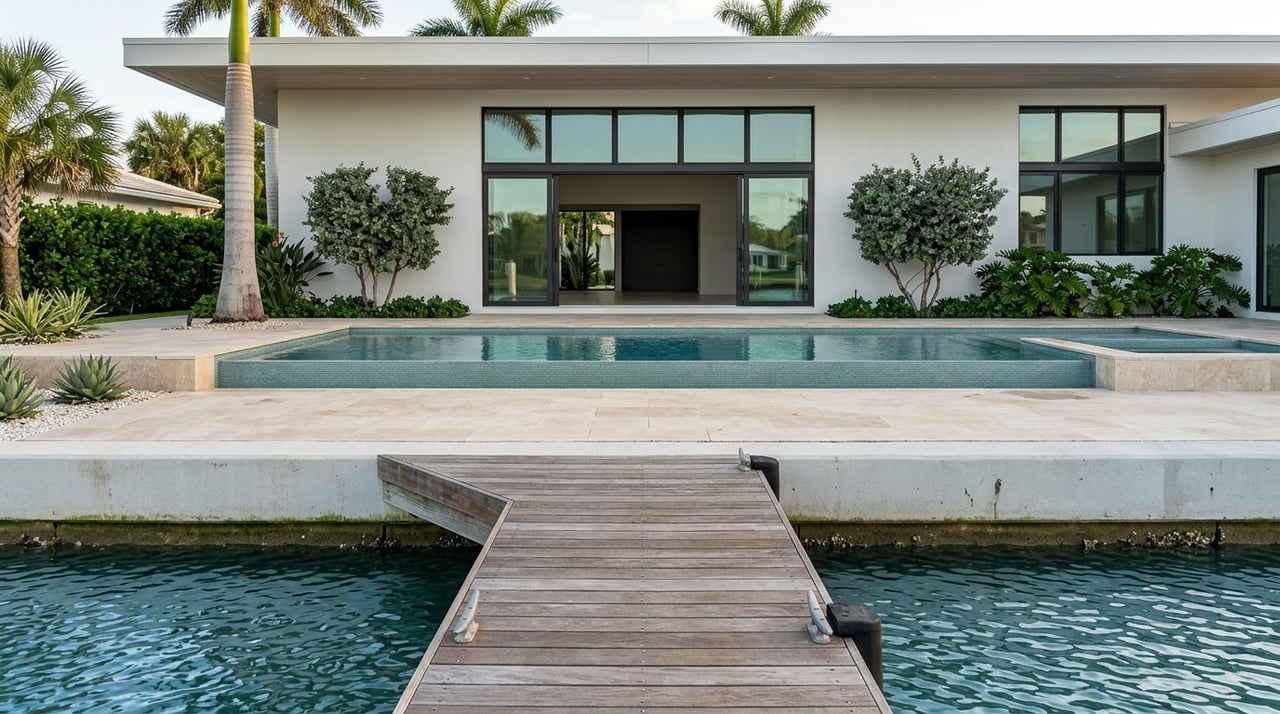
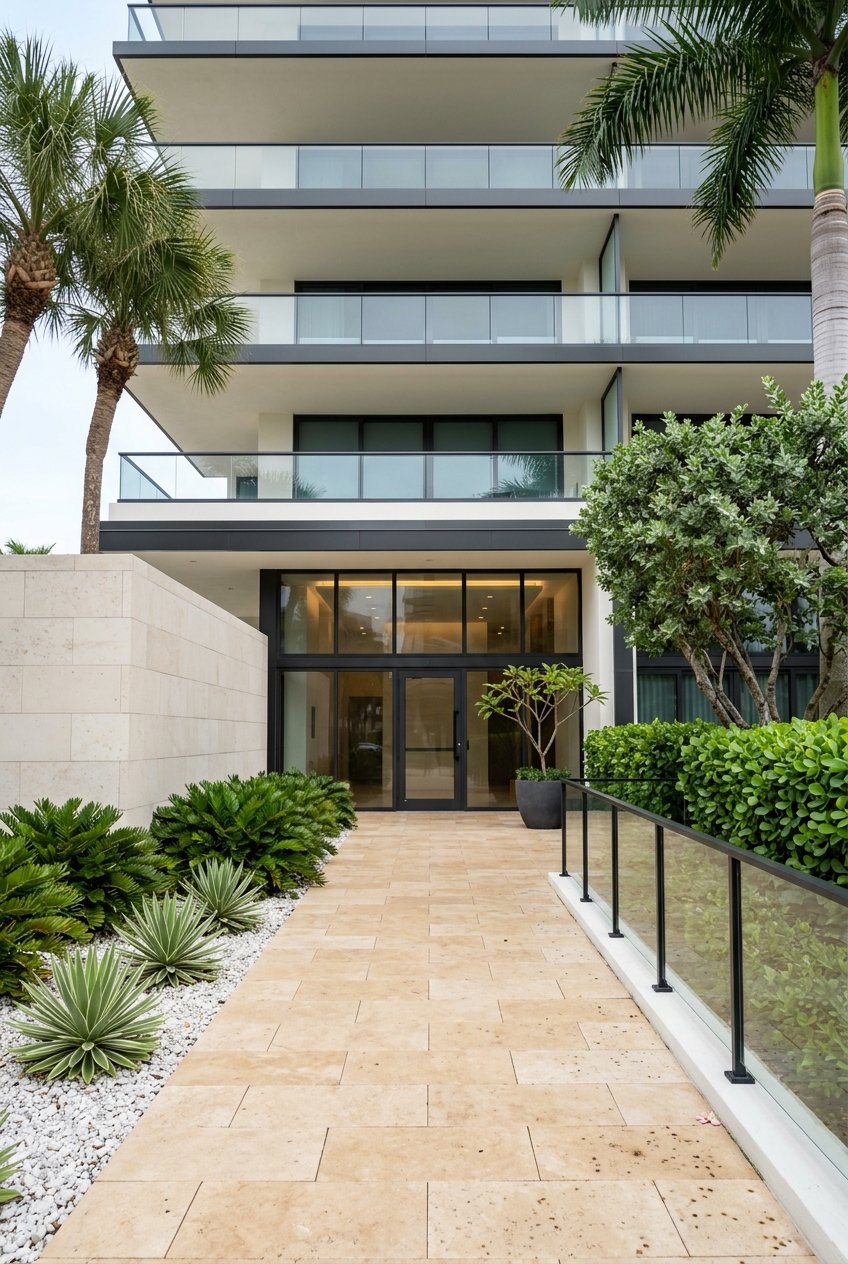
Siesta Key offers several property styles, including beachfront condominiums, luxury villas, rental homes, and cottages. Early in your search, it helps to decide whether you prefer condo-style simplicity or the added control of a detached home.
A condo can be attractive if you want a more streamlined ownership experience. In many cases, the association structure may handle some exterior responsibilities, but that convenience comes with rules you need to understand in detail.
A detached home may offer more flexibility in layout, privacy, and guest use. It can also bring more direct responsibility for maintenance, storm prep, outdoor upkeep, and overall property management.
Location on the island also shapes guest appeal. The Village area adds dining, shopping, and nightlife near the beach, which can broaden the guest base beyond travelers who are focused only on beach time.
Check Zoning Before You Fall in Love
This is one of the most important steps in the entire process. Sarasota County’s rental guide says short-term rental use is allowed only in RMF districts on the barrier islands.
In other residential districts, leases must be at least 30 days, and short-term rental use is not allowed. That means parcel-level zoning verification is essential before you buy, especially if short stays are part of your plan.
Do not assume a property can be rented the way a nearby home or condo is rented. Two similar-looking properties can have very different use rules depending on zoning and community structure.
Review HOA and Condo Rules Closely
Association rules matter just as much as zoning. Sarasota County specifically tells rental owners to review HOA bylaws because community rules can affect renting and other use details.
That can include rental minimums, approval requirements, guest policies, and other operational limits. Even if the zoning works for your goals, the association rules could still make the property a poor fit.
This is why buyers should look at the full picture early. A beautiful property in a great location may still miss the mark if its rental rules do not match the way you want to use it.
Understand Taxes and Registration Requirements
If you plan to rent the property for six months or less, Sarasota County says you must collect both state sales tax and tourist development tax. The county’s current materials list that combined burden as 7% sales tax plus 6% tourist tax.
These taxes apply to more than just the nightly rate. Sarasota County says they also apply to cleaning, pet, utility, and damage-insurance fees, which is important when you estimate net income.
Owners must register with both the Sarasota County Tax Collector and the Florida Department of Revenue. The tourist tax return is due by the 20th of the month after collection, and if taxes are not collected and remitted properly, the owner remains personally liable.
There is also an important difference for longer leases. A written lease longer than six months is exempt from sales tax and tourist tax, so if you want the option to switch between vacation rental use and longer-term leasing, you need to understand how that changes the numbers.
One more update is worth noting. Sarasota County repealed its County Business Tax in July 2024, so older guidance that still mentions a county business tax is outdated.
Do Not Overlook Homestead and Tangible Tax Issues
If you are buying a true vacation home or income property, do not assume homestead benefits will apply. Sarasota County’s Property Appraiser says the homestead exemption is for a primary residence, not a vacation home or rental property.
The county also warns that renting a homesteaded property can cause the exemption to be lost. If your plan includes mixed personal and rental use, it is important to understand how the property will be classified.
There is another holding cost many buyers miss. Furnishings, fixtures, and equipment used in a rental property are subject to tangible personal property tax, and owners must file an annual return with the Property Appraiser between January 1 and April 1.
The property values are subject to a $25,000 exemption, but this is still something to plan for if you are furnishing a rental for guest use. On Siesta Key, where presentation can play a big role in booking appeal, furnishing decisions often matter both financially and operationally.
Factor In Insurance and Coastal Risk
On a barrier island, the real cost of ownership goes beyond the mortgage payment and HOA dues. Sarasota County says its Gulf-side location and flat topography make it susceptible to coastal, riverine, and urban flooding from heavy rain, tropical storms, hurricanes, and storm surge.
The county calls floods its most common recurring natural disaster. It has also installed storm-surge poles on Siesta Key, and county materials say Hurricane Helene brought 4 to 7 feet of surge to the Gulf Coast of Sarasota County in 2024.
For buyers, that means insurance and reserves deserve serious attention. You should account for flood exposure, storm preparation, preventive maintenance, potential wear from guest turnover, and the possibility of weather-related disruptions.
Flood coverage is especially important to understand. FEMA’s National Flood Insurance Program says flood insurance is required for properties in a Special Flood Hazard Area with a government-backed mortgage, and homeowners insurance usually does not cover flood damage.
Even outside a mandatory-purchase zone, flood risk is reduced, not removed. That is why many buyers treat flood insurance and storm planning as core parts of the ownership decision, not side notes.
Think Beyond Gross Income
Strong demand does not automatically mean easy returns. Because Sarasota County visitors rely heavily on online search, social media, and review sites to plan trips, the market tends to reward polished listing presentation, strong photography, and fast response times.
That means your income potential depends on more than location alone. The property itself, how it shows online, how smoothly it is managed, and how consistently it meets guest expectations can all affect performance.
When you evaluate numbers, focus on net results, not just optimistic revenue scenarios. Include taxes, insurance, reserves, maintenance, management support, furnishing needs, and vacancy assumptions so your budget reflects real ownership.
Build the Right Local Support Team
Vacation-rental compliance is not a one-time task. Sarasota County’s guidance makes clear that zoning, HOA rules, tax registration, remittance deadlines, homestead concerns, and tangible-tax rules can all affect the ownership experience.
That is why many buyers benefit from local professional support. A local property manager and tax professional can be useful when you want help staying organized and operating within current requirements.
On the real estate side, it also helps to work with an advisor who understands Siesta Key at the property level. The strongest purchase is usually not just the one with broad appeal, but the one where the legal rental window, association rules, flood and insurance exposure, and your personal-use goals all line up.
A Smart Siesta Key Purchase Is About Fit
A vacation rental on Siesta Key can be a compelling purchase, but only when the details work together. The island has real tourism appeal, strong accommodation spending, and property options that can suit second-home buyers and investors alike.
Still, the best decision usually comes from careful matching, not fast assumptions. When zoning, community rules, tax obligations, storm risk, and your own lifestyle goals are aligned, you are far more likely to end up with a property you can enjoy and operate with confidence.
If you are weighing a Siesta Key vacation rental, the right guidance can help you compare opportunities with more clarity and less guesswork. The Agency Sarasota offers local insight and personalized support for buyers exploring second-home and investment opportunities along Florida’s Gulf Coast.
FAQs
What zoning should you check for a Siesta Key vacation rental?
- Sarasota County says short-term rental use on the barrier islands is allowed only in RMF districts, while other residential districts require leases of at least 30 days.
What taxes apply to short-term rentals on Siesta Key?
- For rentals of six months or less, Sarasota County says owners must collect 7% state sales tax plus 6% tourist development tax, and those taxes also apply to fees such as cleaning and pet charges.
What HOA rules matter for a Siesta Key rental property?
- Sarasota County advises owners to review HOA or condo bylaws because community rules can affect rental minimums, approvals, guest use, and other operating details.
What insurance issues should buyers consider on Siesta Key?
- Buyers should look closely at flood exposure, storm-surge risk, and overall insurance costs, since Sarasota County identifies flooding as a common recurring natural disaster and standard homeowners insurance usually does not cover flood damage.
Can you claim homestead exemption on a Siesta Key vacation rental?
- Sarasota County says homestead exemption is for a primary residence, not a vacation home or rental property, and renting a homesteaded property can cause the exemption to be lost.